
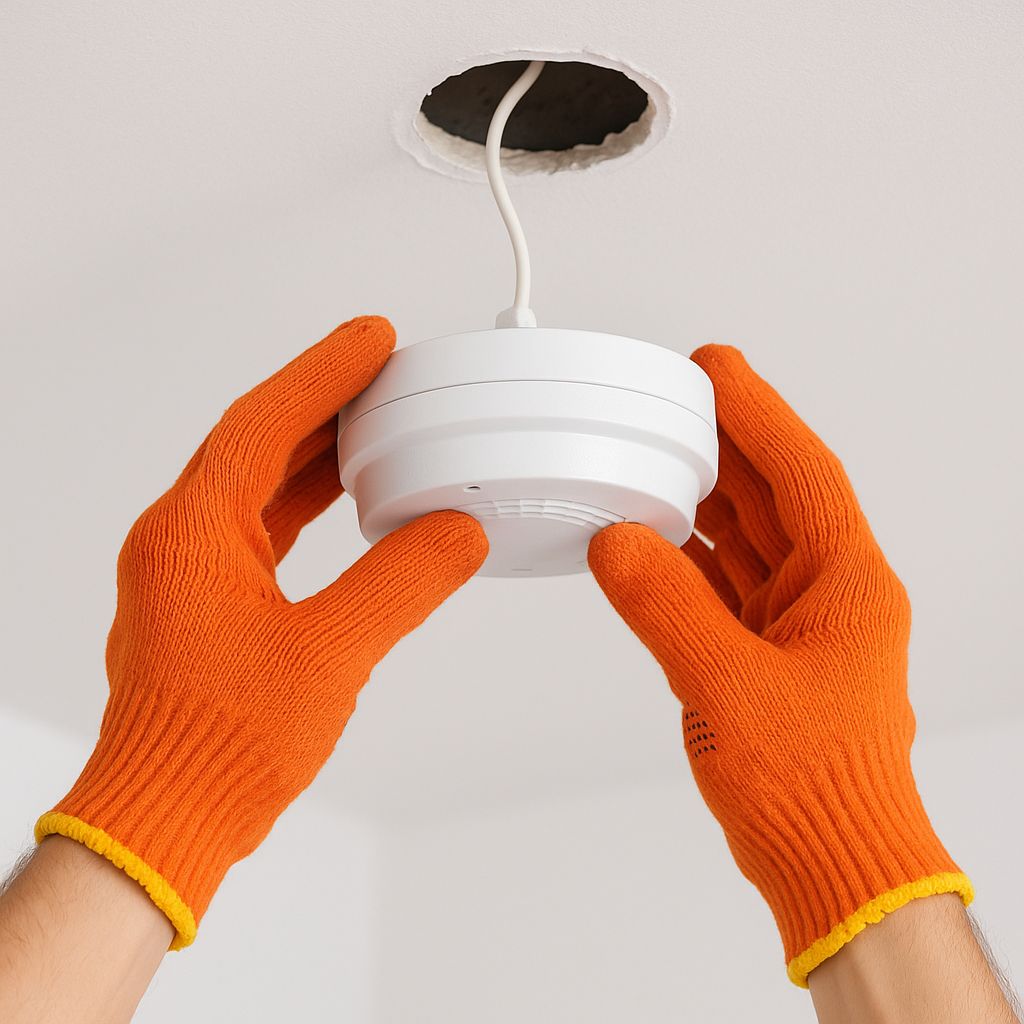
Fire safety is a critical responsibility for homeowners and landlords across New South Wales. With strict laws now in place, many Inner West residents are unsure whether their existing alarms meet current legal and safety requirements. Non-compliance doesn’t just increase fire risk; it can also lead to fines, insurance issues, and legal complications.
If you live in the Inner West, understanding how these regulations apply to your property is essential. From alarm type and placement to installation standards and maintenance, these laws exist to save lives. This guide explains what the regulations require, how AS3786 compliance works, and what steps you should take to protect your home.
What Are the NSW Smoke Alarm Laws?
The laws mandate that all residential properties must have working smoke alarms installed in accordance with Australian Standard AS3786. These rules apply to:
- Owner-occupied homes
- Rental properties
- Townhouses and apartments
- Newly built and renovated dwellings
The legislation requires alarms to be properly installed, maintained, and replaced when they reach the end of their service life.
What Is AS3786 and Why Does It Matter?
AS3786 is the Australian Standard that governs smoke alarm performance, installation, and testing. Under the NSW smoke alarm laws, all alarms installed in homes must comply with this standard.
AS3786 ensures that smoke alarms:
- Detect smoke effectively
- Meet sensitivity requirements
- Operate reliably over time
- Pass strict safety and performance testing
Installing non-compliant alarms or placing them incorrectly may result in alarms failing when they’re needed most.
Smoke Alarm Placement Requirements in NSW
One of the most misunderstood aspects of fire safety compliance is correct alarm placement. Alarms must be installed:
- On every level of the home
- In hallways outside bedrooms
- Between sleeping and living areas
- On ceilings wherever possible
Additional alarms may be required depending on the size and layout of your Inner West property. Incorrect placement can significantly reduce response time during a fire.
Which Type of Smoke Alarm Is Required?
Photoelectric smoke alarms are strongly recommended and are the preferred option under NSW regulations. These alarms respond faster to slow-smouldering fires, which are common in residential environments.
Alarms must:
- Comply with AS3786
- Be less than 10 years old
- Be installed by a qualified electrician where hardwiring is required
Professional smoke alarm installation ensures the correct alarm type is chosen and installed safely.
Responsibilities for Homeowners and Landlords
Under these regulations, responsibilities differ slightly depending on occupancy.
Homeowners
Homeowners must ensure alarms are installed correctly, operational, and replaced when they expire.
Landlords
Landlords must:
- Install compliant alarms before a tenancy begins
- Replace alarms within 10 years
- Repair or replace faulty alarms promptly
Routine inspections and proper residential electrical services help ensure ongoing compliance.
Why Inner West Homes Need Extra Attention
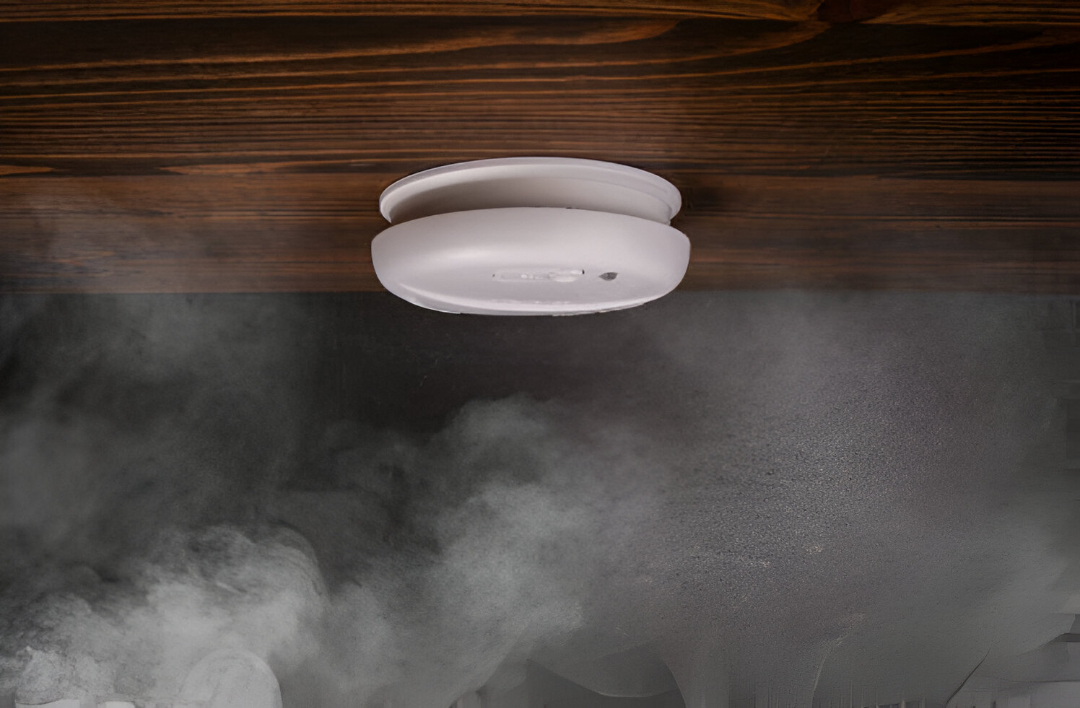
Many Inner West homes are older properties with ageing wiring, high ceilings, and renovations completed over multiple decades. These factors can complicate alarm placement and wiring.
Older properties often require:
- Hardwired smoke alarms
- Electrical upgrades
- Strategic alarm placement for heritage layouts
This makes professional installation essential for full compliance.
How to Check If Your Smoke Alarms Are Compliant
You may not be compliant if:
- Your alarms are over 10 years old
- They beep intermittently or fail tests
- They are battery-only in a property requiring hardwired alarms
- Placement does not meet AS3786
A licensed electrician can inspect, test, and upgrade your system quickly and safely.