
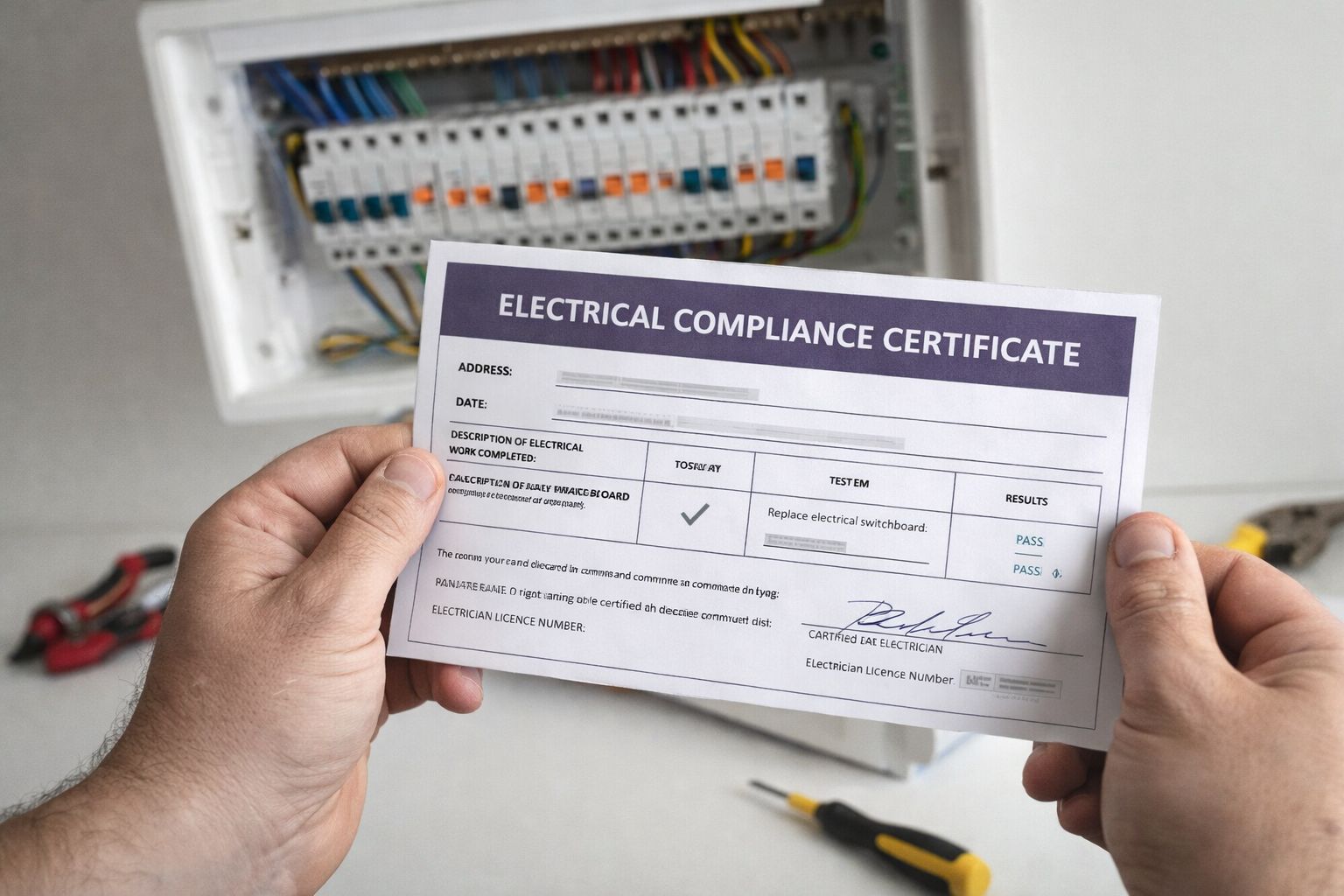
When electrical work is completed in a home or business, the job isn’t finished until the paperwork is done correctly. One of the most important documents is the electrical compliance certificate. In New South Wales, this certificate confirms that electrical work has been carried out safely, legally, and in accordance with Australian Standards.
For homeowners, landlords, and property managers, understanding when an electrical compliance certificate is required and why it matters can prevent costly issues, failed inspections, and insurance complications later on.
What Is an Electrical Compliance Certificate?
An electrical compliance certificate is a formal declaration issued by a licensed electrician after completing electrical work. It confirms that the installation or repair complies with the relevant safety standards, including AS/NZS 3000 (Australian Wiring Rules) and NSW regulations.
This certificate provides assurance that the work has been tested, verified, and completed by a qualified professional. It also places responsibility on the electrician for the safety and quality of the work performed.
When Is an Electrical Compliance Certificate Required in NSW?
This certificate is typically required whenever electrical work involves the installation, alteration, or repair of fixed wiring. Common situations include:
- Switchboard upgrades or safety switch installations
- New power point or lighting installations
- Appliance connections, such as ovens and cooktops
- Electrical fault finding and rectification work
- Smoke alarm installation and upgrades
- Renovation or extension of electrical works
Licensed electricians providing residential electrical services will issue a certificate when required by law or best practice.
Why Electrical Compliance Certificates Matter
1. Legal Protection
If an electrical issue arises, the certificate proves that work was completed in line with regulations. This can be critical during disputes or inspections.
2. Insurance Requirements
Many insurers require evidence of compliant electrical work before approving claims related to electrical or fire damage.
3. Property Transactions
During property sales or leasing, missing documentation can delay settlements or trigger additional inspections.
4. Safety Assurance
An electrical compliance certificate confirms that work has been tested and verified, reducing risks of shock, fire, or equipment failure.
What Information Is Included in the Certificate?
A typical electrical compliance certificate includes:
- Details of the licensed electrician
- Description of the electrical work completed
- Confirmation of compliance with Australian Standards
- Date of completion
- Signature or authorisation of the electrician
For larger projects or complex repairs, additional testing records may also be included.
Who Can Issue an Electrical Compliance Certificate?
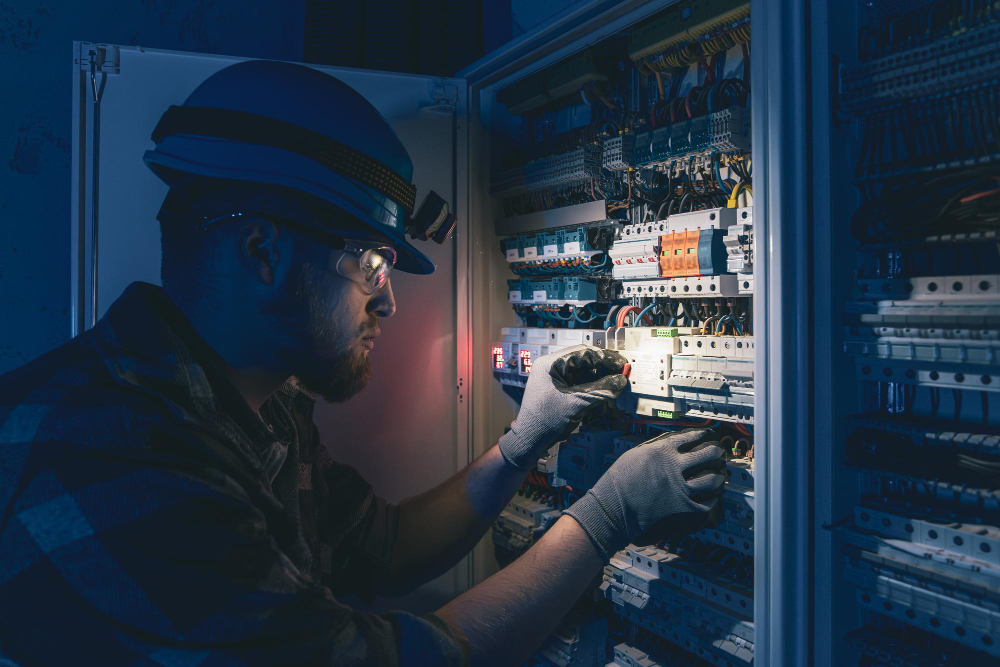
Only licensed electricians can issue these certificates in NSW. This ensures accountability and protects property owners from unqualified or unsafe work.
For higher-risk work involving the electricity network, a Level 2 electrician may be required, especially for consumer mains upgrades or supply alterations.
Common Situations Where Certificates Are Overlooked
Certificates are sometimes missed during:
- Minor upgrades carried out during renovations
- Appliance installations by non-licensed trades
- DIY electrical work
- Emergency repairs completed without follow-up documentation
Failing to obtain a certificate can create problems later, particularly during audits, insurance claims, or resale.
How Long Should You Keep an Electrical Compliance Certificate?
It’s recommended to keep these certificates for the lifetime of the installation. Digital copies should be stored alongside property maintenance records so they can be easily accessed when required.