

Receiving an electrical defect notice can be stressful for any homeowner. Whether it arrives after a routine inspection, a renovation, or a new connection request, it means part of your electrical system no longer meets current safety standards. In Sydney and across NSW, electrical compliance is taken seriously, and for good reason. Non-compliant wiring or installations can pose serious fire risks and put your household in danger.
Understanding why an electrical defect notice is issued helps you act quickly and avoid further penalties or disconnection.
What Is an Electrical Defect Notice?
A defect notice is a formal warning issued by an energy provider or authorised inspector when your electrical installation is found to be unsafe or non-compliant. It can relate to wiring, switchboards, earthing, or external service connections.
Homeowners are usually given a timeframe to correct the issue. Failing to address the problem can result in power disconnection or insurance complications.
1. Damaged or Exposed Wiring
One of the most common reasons homeowners receive a defect notice is deteriorated or exposed wiring. Ageing insulation, rodent damage, or DIY alterations often create serious safety hazards.
If your home has outdated cabling, professional house rewiring may be required to restore compliance and ensure long-term safety.
2. Non-Compliant Switchboard
Older ceramic fuses and outdated switchboards no longer meet modern Australian standards. If your property lacks safety switches or residual current devices, a defect notice may be issued. A professional switchboard upgrade ensures safe circuit distribution and improves protection against overload and electrical shock.
3. Improper Earthing or Bonding
Earthing protects occupants from electric shock. If earthing systems are missing, damaged, or incorrectly installed, inspectors may issue a defect notice.
A licensed electrician can assess your earthing system and carry out any necessary corrections to meet NSW safety regulations.
4. Overhead or Private Power Line Issues
Defects relating to private overhead lines, damaged points of attachment, or deteriorated service cables are common reasons for notices.
Storm damage, tree interference, or ageing fittings often cause these issues. Prompt repair by a qualified electrician prevents further risk.
5. Unauthorised Electrical Work
DIY electrical work is illegal in Australia. If unlicensed modifications are discovered, a defect notice is likely to follow.
Electrical installations must be completed by a licensed professional to meet compliance standards. This includes installing power points, ceiling fan installation, and air conditioning circuits.
6. Unsafe Power Points or Appliances
Loose outlets, burnt power points, or overheating circuits may trigger an inspection failure. These issues increase the risk of electrical fires.
Scheduling a routine electrical safety inspection allows early detection of faults before any formal notice is issued.
7. Renovation Without Compliance Certification
Home renovations involving new lighting, appliances, or wiring require certification. If documentation is missing, authorities may issue a defect notice until proper verification is provided.
Making sure all electrical work is certified and meets code is essential during any renovation project.
What Happens After You Receive a Notice?
Once you receive a defect notice, here is what you need to do:
- Contact a licensed electrician immediately
- Arrange inspection and fault identification
- Complete required repairs
- Provide compliance certification to your energy provider
Ignoring the notice can result in the disconnection of the power supply and potential insurance issues.
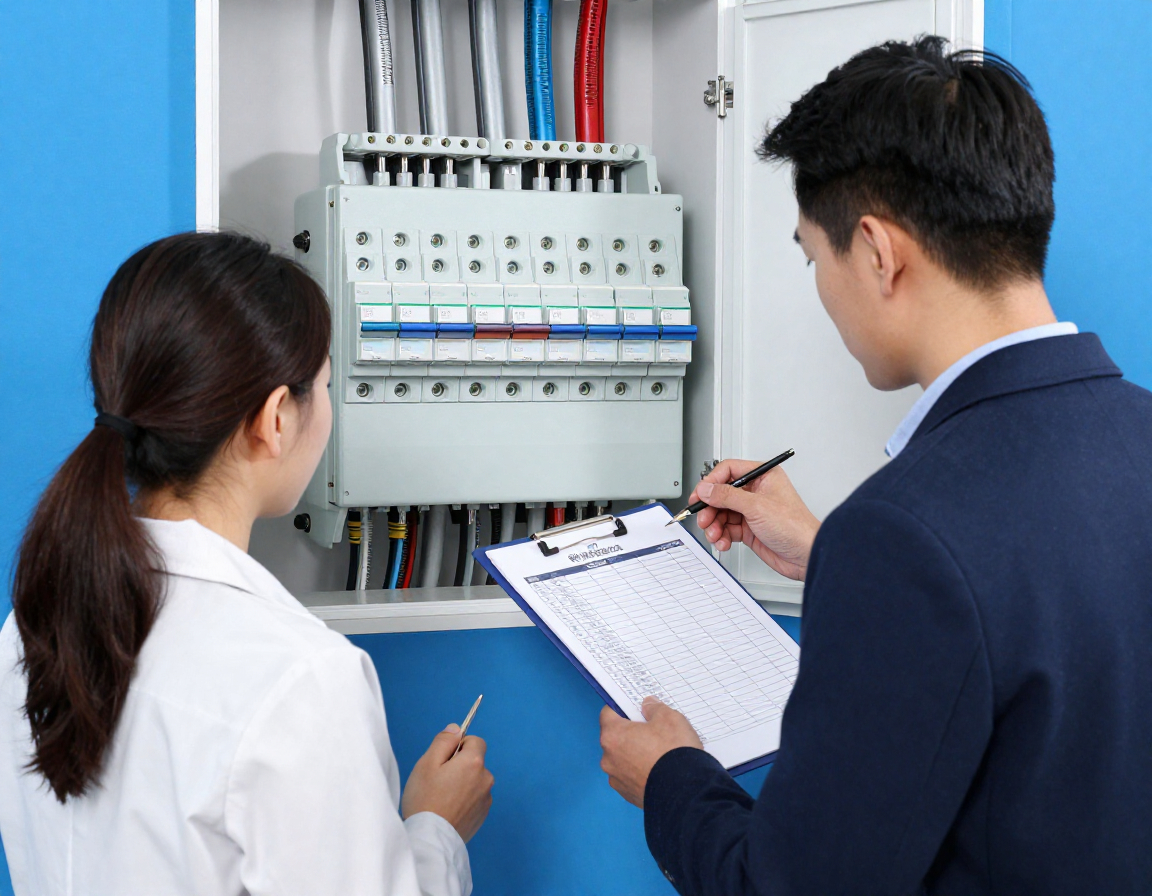
Preventing Future Electrical Issues
Regular maintenance is key to avoiding future problems. Homeowners should consider:
- Periodic electrical safety inspections
- Switchboard assessment
- Checking for overloaded circuits
- Upgrading ageing wiring
- Ensuring professional installation of new appliances
Proactive upgrades not only improve safety but also enhance energy efficiency and system reliability.