
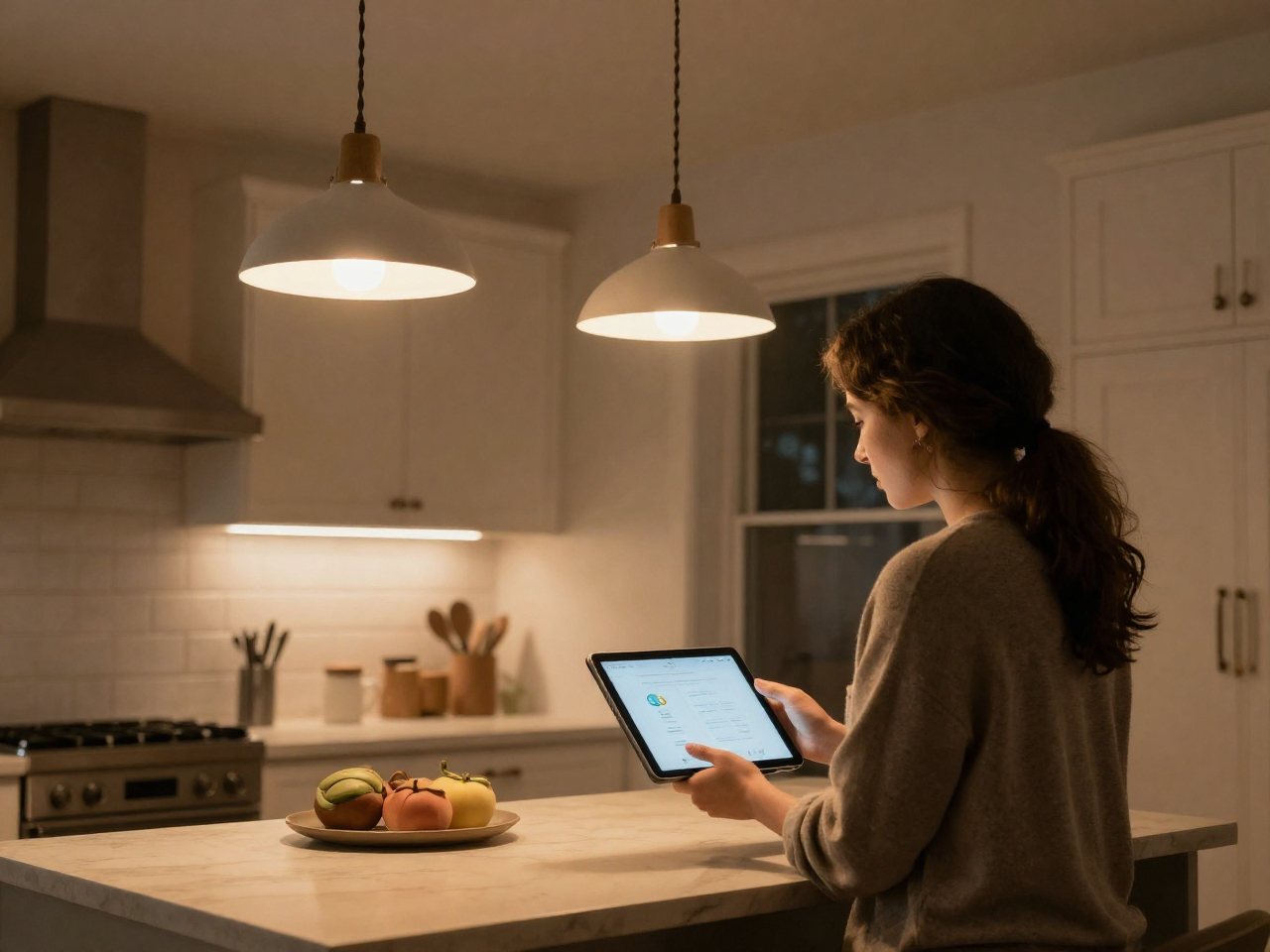
Sydney’s Inner West is a place where heritage homes sit alongside modern renovations, and for many homeowners, that contrast extends to how they manage energy. As electricity prices in Australia continue to fluctuate, the search for sustainable solutions has moved beyond basic insulation and solar panels into the very fabric of how we illuminate our homes. Enter smart lighting control systems, a practical step forward in how Australian homes manage energy, convenience, and running costs.
A common misconception is that smart lighting systems are merely a luxury or a “party trick” used to change bulb colours via a smartphone. In reality, these systems represent a fundamental shift in energy management. By moving away from “dumb” manual switches and adopting intelligent lighting solutions, Inner West residents can achieve unprecedented levels of energy efficiency, security, and convenience.
1. The Anatomy of Smart Lighting Control Systems
To understand the benefits, we must first understand what makes these systems “smart.” Traditional lighting is binary: it is either 100% on or 100% off. Smart lighting control systems, however, operate on a network. This network allows for what’s often called “granularity”: the ability to control individual fixtures or groups of lights with far greater precision than a traditional switch allows.
Most lighting automation systems consist of three main components:
- The Hub/Gateway: The “brain” that communicates with your home network.
- The Controllers: Smart switches, dimmers, or sensors that replace traditional hardware.
- The Software: An interface (usually a mobile app) that allows you to program logic, schedules, and scenes.
By integrating these components, your home stops being a collection of lights and starts being a responsive environment that adapts to your presence and the natural time of day.
2. Unrivalled Energy Efficiency: The “Big Three” Features
The primary driver for installing home lighting control systems is almost always the reduction of the quarterly electricity bill. There are three key ways these systems achieve this.
A. Occupancy and Vacancy Sensing
The most obvious form of energy waste is a light left on in an empty room. Whether it’s a child forgetting to flick the switch in the bathroom or a lamp left burning in the lounge overnight, these small oversights add up to high costs. Lighting automation systems use Passive Infrared (PIR) or ultrasonic sensors to detect human presence.
- Occupancy Mode: Lights turn on automatically when you enter and off when you leave.
- Vacancy Mode: You turn the lights on manually, but the system ensures they turn off automatically if the room remains empty for a set period.
B. Daylight Harvesting
In many Inner West homes, particularly those with large windows or skylights, artificial light is often used unnecessarily during the day. Intelligent lighting solutions can be equipped with photosensors that measure ambient light levels. As the sun rises and floods a room with natural light, the system automatically scales back the output of the artificial lights. This “daylight harvesting” ensures that the room always maintains a constant, comfortable brightness while using the absolute minimum amount of grid power.
C. Advanced Dimming Protocols
Most people don’t realise that dimming an LED doesn’t just change the mood; it directly reduces power consumption. If you dim a light by 50%, you are roughly halving the energy it draws. Smart lighting control systems allow you to set “high-end trims.” For example, you can program your kitchen lights so that “100%” on the slider is actually only 80% of the bulb’s total power. Often, the human eye cannot even perceive this difference, but your electricity meter certainly can.
3. Communication Protocols: Zigbee, Z-Wave, and Wi-Fi
One of the most technical aspects of choosing smart lighting systems is the “language” they speak.
- Wi-Fi Systems: These are easy to set up but can clog your home internet if you have dozens of bulbs.
- Zigbee/Z-Wave: These are “mesh networks.” Each switch acts as a repeater, strengthening the signal across the whole house without slowing down your Netflix stream. For a robust, whole-home lighting control system setup in a thick-walled terrace house, Zigbee is often the gold standard.
4. Room-by-Room Efficiency Guide
To reach maximum efficiency, intelligent lighting solutions should be applied differently depending on the room’s function.
- The Kitchen: Use task-based scenes. A “Cooking” scene might have all lights at 100%, while a “Late Night Snack” scene only activates a dim strip of LEDs under the cabinets.
- The Bedroom: Integrate with your circadian rhythm. Smart lighting systems can slowly brighten in the morning to wake you up naturally and shift to a warm, low-blue-light amber in the evening, helping you sleep better and reducing late-night energy spikes.
- Outdoor & Security: Gone are the days of leaving the porch light on all night. Use geofencing to trigger outdoor lights only when your car enters a certain radius of the house.
5. Integration with the Wider Smart Home Ecosystem
The true power of smart lighting control systems is realised when they talk to other devices.
- HVAC Integration: During a Sydney heatwave, your lighting automation systems can communicate with your smart blinds. When sensors detect too much heat coming through the windows, the blinds close and the lights dim slightly, reducing the internal heat load on your home and taking some pressure off your air conditioner.
- Security Integration: If your security camera installation detects movement in the backyard at 3 AM, your smart lighting can instantly trigger every light in the house to 100% brightness, acting as a massive deterrent while providing clear footage for your cameras.
6. Extending Hardware Longevity
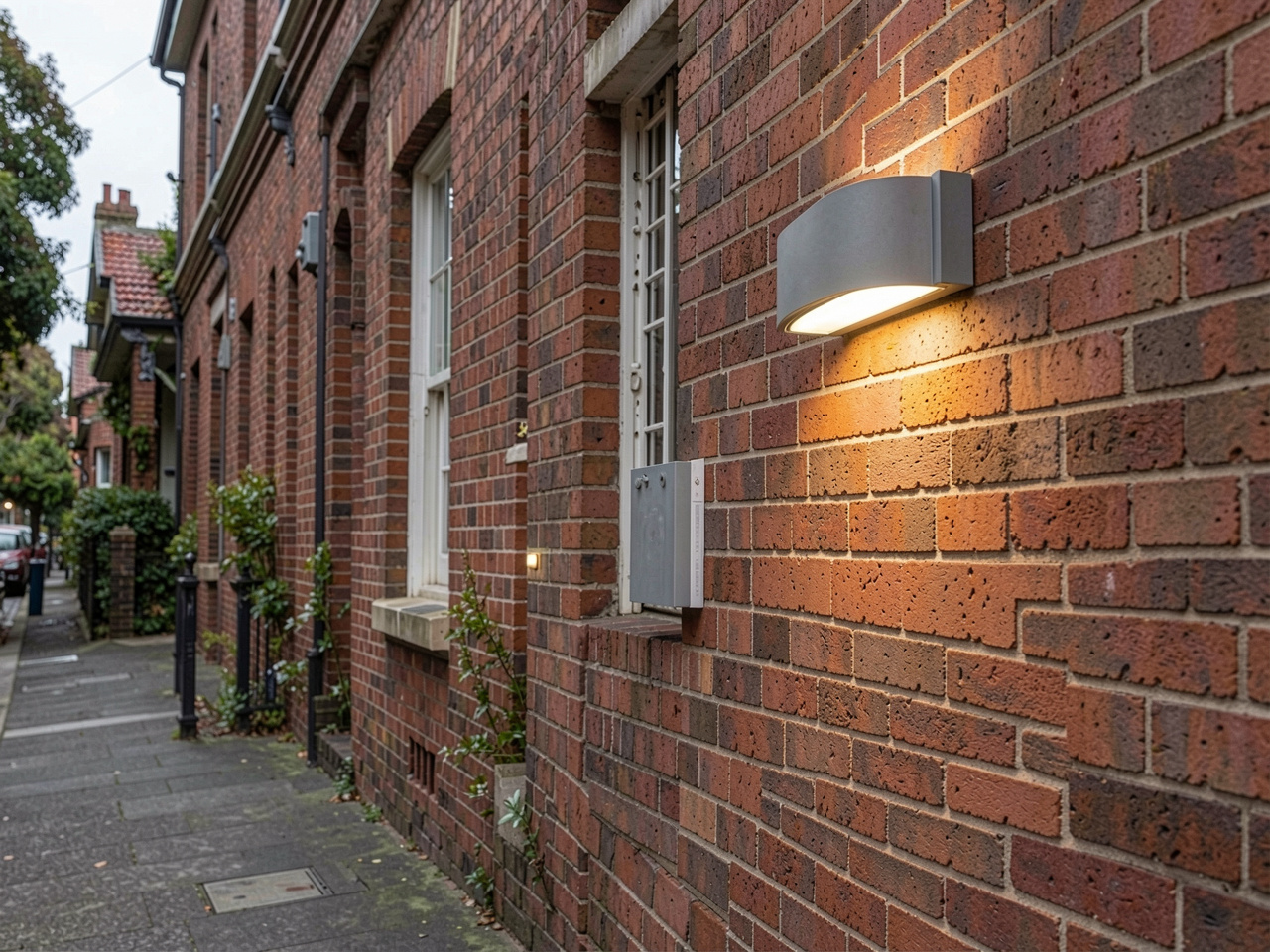
Replacing globes is an environmental and financial burden. Because intelligent lighting solutions use soft-start technology (slowly fading lights on rather than an instant “jolt” of current) and generally run at lower intensities through dimming, the thermal stress on the LEDs is significantly reduced. This can extend the life of a standard LED globe from 5 years to well over 10 years, which is a meaningful saving in high-ceilinged Inner West properties where changing a bulb often means dragging out a tall ladder.
7. The Importance of Professional Installation
While “smart bulbs” are a fun DIY project, a comprehensive smart lighting control system setup involves hardwired switches and hubs. In Australia, this work must be performed by a licensed professional.
- Safety: We ensure that the new smart hardware is compatible with your existing switchboard upgrade.
- Reliability: We ensure the neutral wires required by most smart switches are present (a common issue in older Sydney homes).
- Compliance: We provide a Certificate of Compliance for Electrical Work (CCEW), ensuring your home insurance remains valid.