As power prices continue to rise across Sydney, many homeowners in the Inner West are feeling the financial strain. Whether you are living in a classic heritage terrace in Balmain or a modern apartment in Marrickville, the question remains the same: how to reduce your electric bill without the massive upfront cost of replacing all your appliances?
The good news is that you don’t need a showroom full of new gadgets to see a significant drop in your energy consumption. By focusing on how you use your existing systems and making a few low-cost adjustments, you can take back control of your quarterly energy bills.
Here is a practical guide to reducing your electricity costs through smarter daily habits and professional electrical optimisation.
1. Master Your Climate Control (Without the Upgrade)
Heating and cooling typically account for about 40% of the average Australian household’s energy usage. In the Inner West, where many homes feature high ceilings and older insulation, this figure can be even higher.
The Magic Numbers for Your Thermostat
One of the simplest ways to lower your energy costs is adjusting your thermostat. In summer, aim for 24°C to 26°C. In winter, keep it between 18°C and 20°C. Every degree you deviate from these ranges can increase your heating or cooling costs by up to 10%.
Use Your Fans First
Before reaching for the air conditioner remote, turn on your ceiling fans. A fan costs roughly 2 cents an hour to run, compared to several dollars for a powerful AC unit. In winter, check if your fan has a “reverse” switch on the motor. Running the fan slowly in reverse pushes the warm air trapped at the ceiling back down to floor level, keeping you warmer without turning up the heater.
2. Eliminate “Vampire Power” at the Source
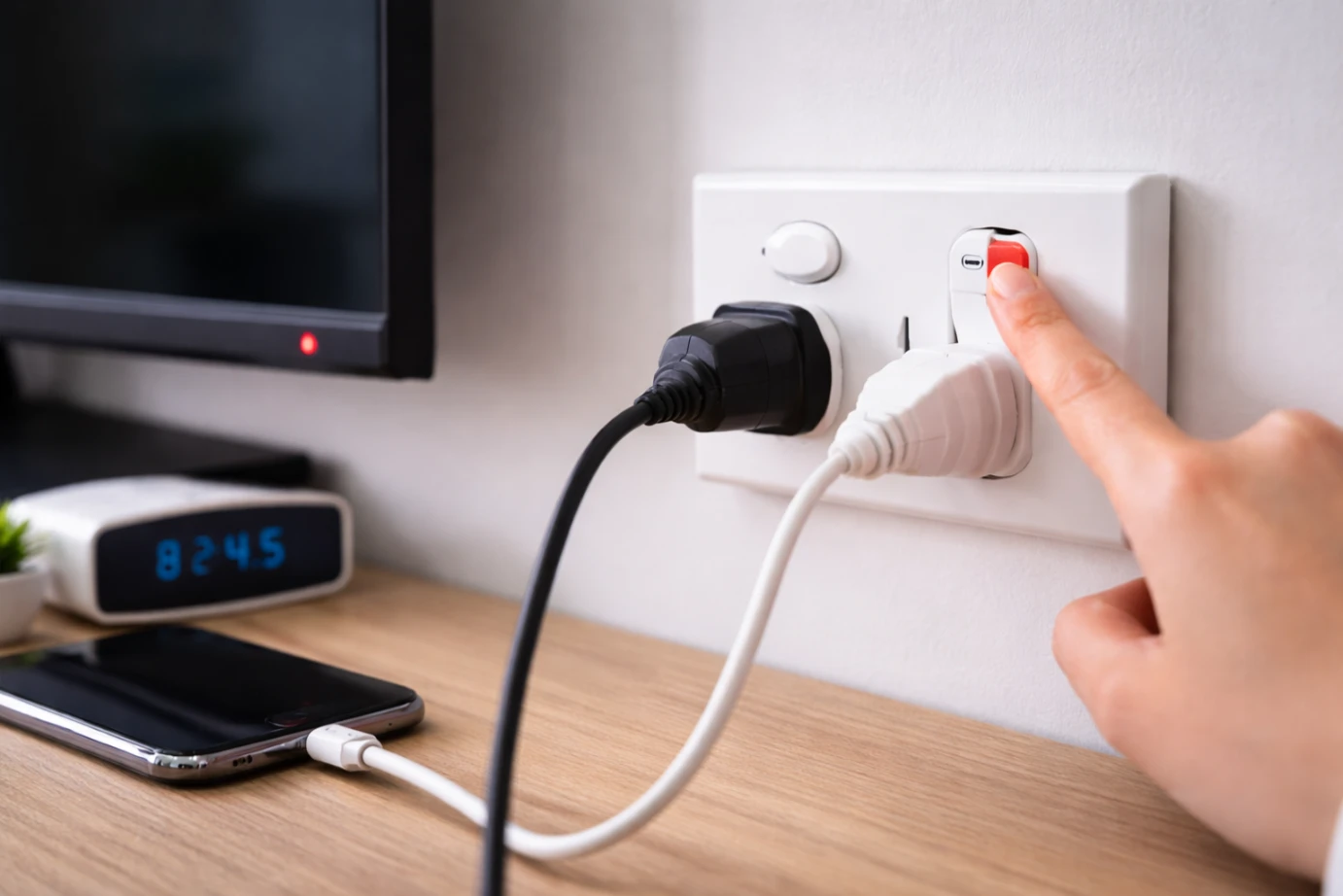
“Standby power” refers to the electricity consumed by appliances when they are switched off but still plugged in. This “vampire power” can quietly add over $100 a year to your bill.
Common culprits in Sydney homes include:
- Microwaves and ovens with digital clocks.
- Gaming consoles and smart TVs.
- Phone and laptop chargers left in the wall.
If you are serious about cutting your energy costs, start switching these off at the wall. For hard-to-reach areas, a simple power point installation update to include smart outlets or power boards with master switches can automate this process for you.
3. Optimise Your Lighting Strategy
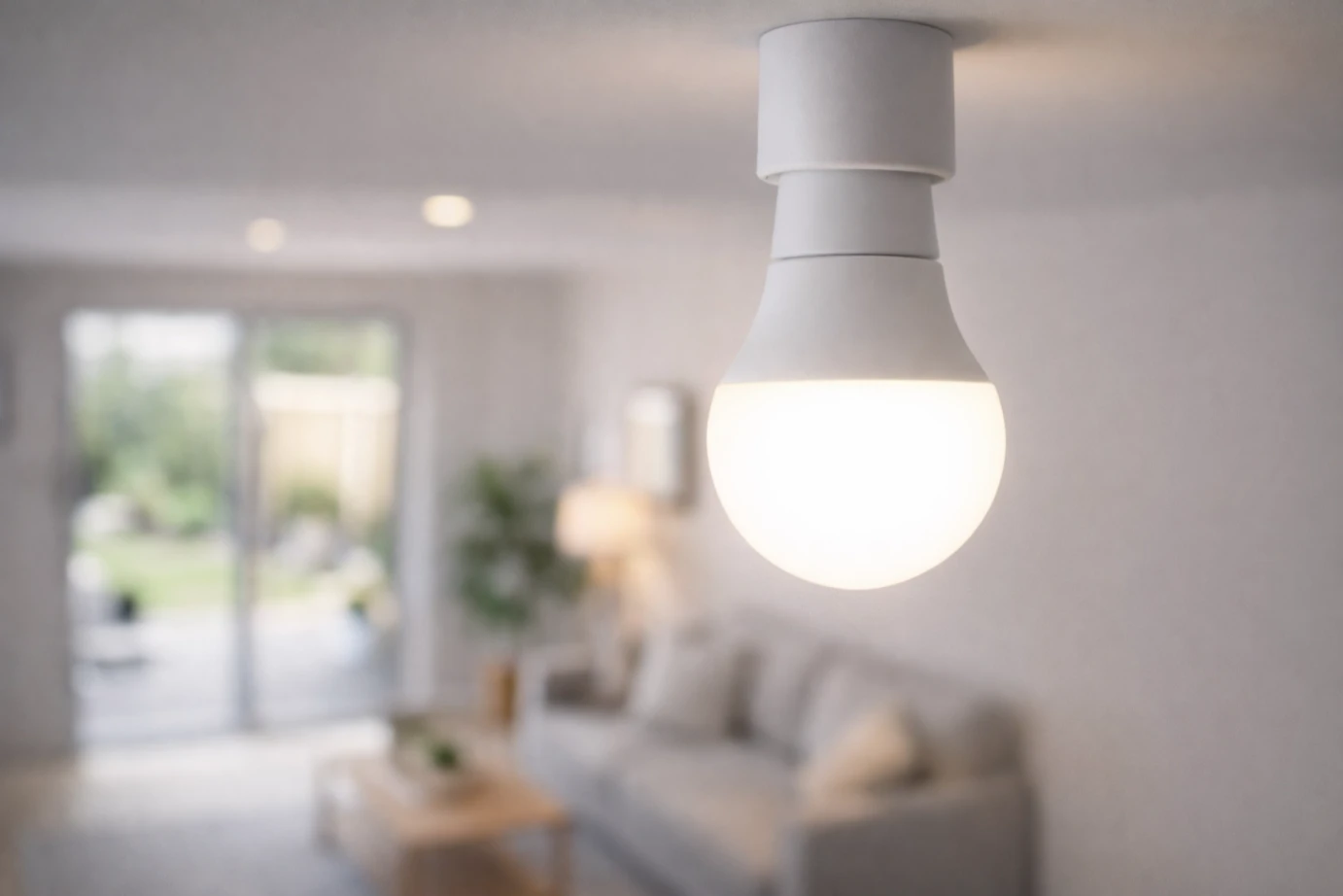
You don’t need to replace your designer light fixtures to save money. If you haven’t already, the single most impactful “no-appliance” change you can make is an LED lighting upgrade. Replacing old halogen or incandescent globes with LEDs uses 75% less energy and can save you up to $16 per globe, per year.
Beyond the bulbs, consider your habits:
- Zone your lighting: Only light the specific area you are using rather than the whole open-plan living space.
- Natural light: Open those heritage shutters during the day. Mirrors placed opposite windows can also help bounce natural light deeper into darker terrace hallways.
4. Maintenance is the Secret to Efficiency
Often, the reason a bill is high isn’t that an appliance is old, but because it is working harder than it needs to. This is where professional fault-finding and maintenance become essential.
Clean Your AC Filters
A dusty air conditioner filter restricts airflow, forcing the motor to run longer and harder to reach your desired temperature. Cleaning your filters every three months is a free way to keep efficiency high.
Check Your Fridge Seals
If your fridge seal (gasket) is cracked or brittle, cold air is escaping constantly. Your fridge is the only appliance that runs 24/7; if it’s struggling to stay cool, your bill will reflect it. You can test this by closing a five-dollar note in the door. If it slides out easily, it’s time for a new seal.
5. Leverage NSW Energy Rebates and Incentives
In 2026, both the NSW and Federal governments have introduced measures to ease cost of living pressures. Part of managing your household power bills is knowing what financial help is available.
- National Energy Bill Relief: Most NSW households are currently eligible for a $150 credit ($75 per quarter) applied automatically to their bills.
- Concession Rebates: If you hold a Pensioner Concession Card or a Health Care Card, you may be eligible for the Low Income Household Rebate, which provides up to $285 a year.
6. Smart Habits for the Laundry and Kitchen
Small changes in the way you wash and cook can lead to big annual savings.
- Cold Wash Only: About 80% of the energy used by a washing machine goes into heating the water. Switching to a cold wash can save the average Sydney family over $100 a year.
- The Lids-On Rule: Always cook with lids on your pots. It keeps the heat in, meaning your stove uses less power and your food cooks faster.
- Air Dry Everything: Take advantage of the Sydney sun. Even in the Inner West’s smaller yards, a foldable clothes airer can completely remove the need for an expensive-to-run dryer.
7. Why a Switchboard Audit is Your Best Move
If you’ve tried everything and are still wondering how to reduce your electric bill, the issue might be your infrastructure. An ageing switchboard may not be distributing power efficiently, and in some cases you might have current leakage quietly draining your usage. A switchboard upgrade isn’t just about safety; it’s about ensuring your home can handle modern loads without wasting energy.