
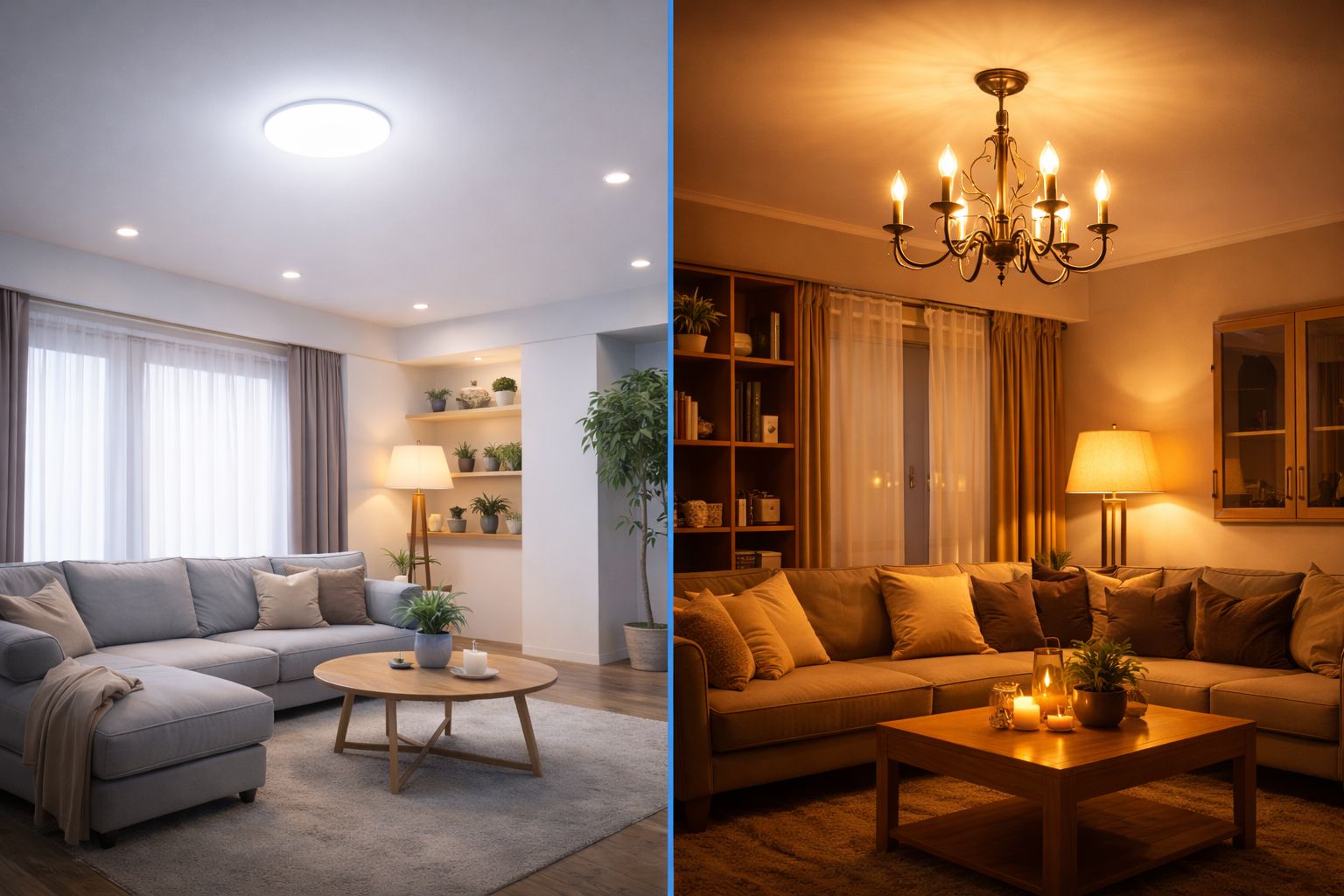
When it comes to home lighting, choosing the right option can have a major impact on your power bills, comfort, and long-term maintenance costs. Many homeowners across Sydney are now weighing up LED and halogen lighting options to determine which solution truly delivers better value. While halogen bulbs were once the standard in Australian homes, advances in LED technology have dramatically shifted the conversation.
If you’re renovating, upgrading your lighting, or simply trying to reduce energy costs, understanding the real cost differences between LED lights vs halogen bulbs can help you make an informed decision, especially for homes in the Inner West, where lighting is used heavily in older terraces and modern apartments alike.
Understanding the Difference Between LED and Halogen Lighting
Halogen bulbs work by heating a tungsten filament, producing light and a significant amount of heat. LEDs, on the other hand, use light-emitting diodes to generate illumination far more efficiently, with minimal heat output.
When comparing LED and halogen lighting, the core differences come down to energy consumption, lifespan, heat generation, and ongoing costs, all of which directly affect how much money you save over time.
Energy Consumption: The Biggest Cost Difference
One of the most important factors in the LED lights vs halogen bulbs debate is energy efficiency.
- A typical halogen downlight uses 35–50 watts
- An equivalent LED downlight uses 7–10 watts
That means LEDs use up to 80% less electricity for the same level of brightness. Across an entire household, especially one with multiple downlights, this reduction can translate into hundreds of dollars saved on electricity bills every year.
For households relying on professional residential electrical services to upgrade lighting, this energy efficiency is often the main driver behind switching to LED.
Lifespan: Fewer Replacements, Lower Costs
Another clear winner in the LED lights vs halogen bulbs comparison is lifespan.
- Halogen bulbs typically last 1,000–2,000 hours
- LED lights can last 25,000–50,000 hours
In practical terms, this means a halogen bulb may need replacing every 1–2 years, while an LED can last well over a decade. Fewer replacements mean less money spent on bulbs and reduced call-outs for replacements, particularly in high or hard-to-reach areas.
Maintenance & Safety Benefits
Halogen bulbs generate significant heat, which can contribute to ceiling damage, insulation risks, and higher ambient temperatures. In contrast, LEDs remain cool during operation.
When assessing LED lights vs halogen bulbs, this reduced heat output improves safety and lowers the risk of electrical issues, especially important in older Inner West homes with ageing wiring. Many licensed electricians recommend LED upgrades as part of broader electrical services for this reason alone.
Upfront Cost vs Long-Term Savings
It’s true that LED lights typically cost more upfront than halogen bulbs. However, this initial investment is quickly offset by lower energy usage and reduced replacement costs.
Here’s a simple example:
- Halogen Bulb: cheaper upfront, replaced many times
- LED Bulb: higher upfront cost, minimal replacements, lower power bills
Over time, the LED lights vs halogen bulbs cost comparison overwhelmingly favours LEDs, particularly when installed across an entire home.
Lighting Quality & Flexibility
Early LEDs had a reputation for harsh or cold lighting, but modern LED options now offer:
- Warm, neutral, and cool colour temperatures
- Dimmable functionality
- Improved brightness consistency
This means homeowners no longer need to compromise on ambience when choosing LED lighting. Professional LED lighting installation ensures the right colour temperature and beam angle are selected for each room.
Environmental Impact
Energy efficiency also has environmental benefits. Reduced electricity usage means lower carbon emissions, making LEDs a more sustainable choice.
When comparing LED lights vs halogen bulbs from an environmental standpoint, LEDs clearly support greener living, something increasingly important to Sydney homeowners.
LED vs Halogen Lighting Comparison
| Feature | LED Lighting | Halogen Lighting |
| Energy Usage | Uses 7–10 watts per downlight | Uses 35–50 watts per downlight |
| Lifespan | 25,000–50,000 hours | 1,000–2,000 hours |
| Heat Output | Very low heat | Produces significant heat |
| Running Costs | Low ongoing electricity costs | Higher electricity costs |
| Replacement Frequency | Rare | Frequent |
| Safety | Cooler operation, reduced fire risk | Higher heat increases risk |
| Environmental Impact | Energy-efficient, lower emissions | Less efficient, higher emissions |
| Best For | Whole-home upgrades, renovations | Short-term or legacy fittings |
When Should You Upgrade to LED Lighting?
You should consider switching to LED lighting if:
- Your power bills are higher than expected
- You’re renovating or upgrading interiors
- You’re replacing multiple failed halogen bulbs
- Your home still uses older downlight fittings
- You want safer, cooler lighting
Most homeowners choose to upgrade during renovations or as part of professional LED lighting installation services to ensure compliance and performance.