
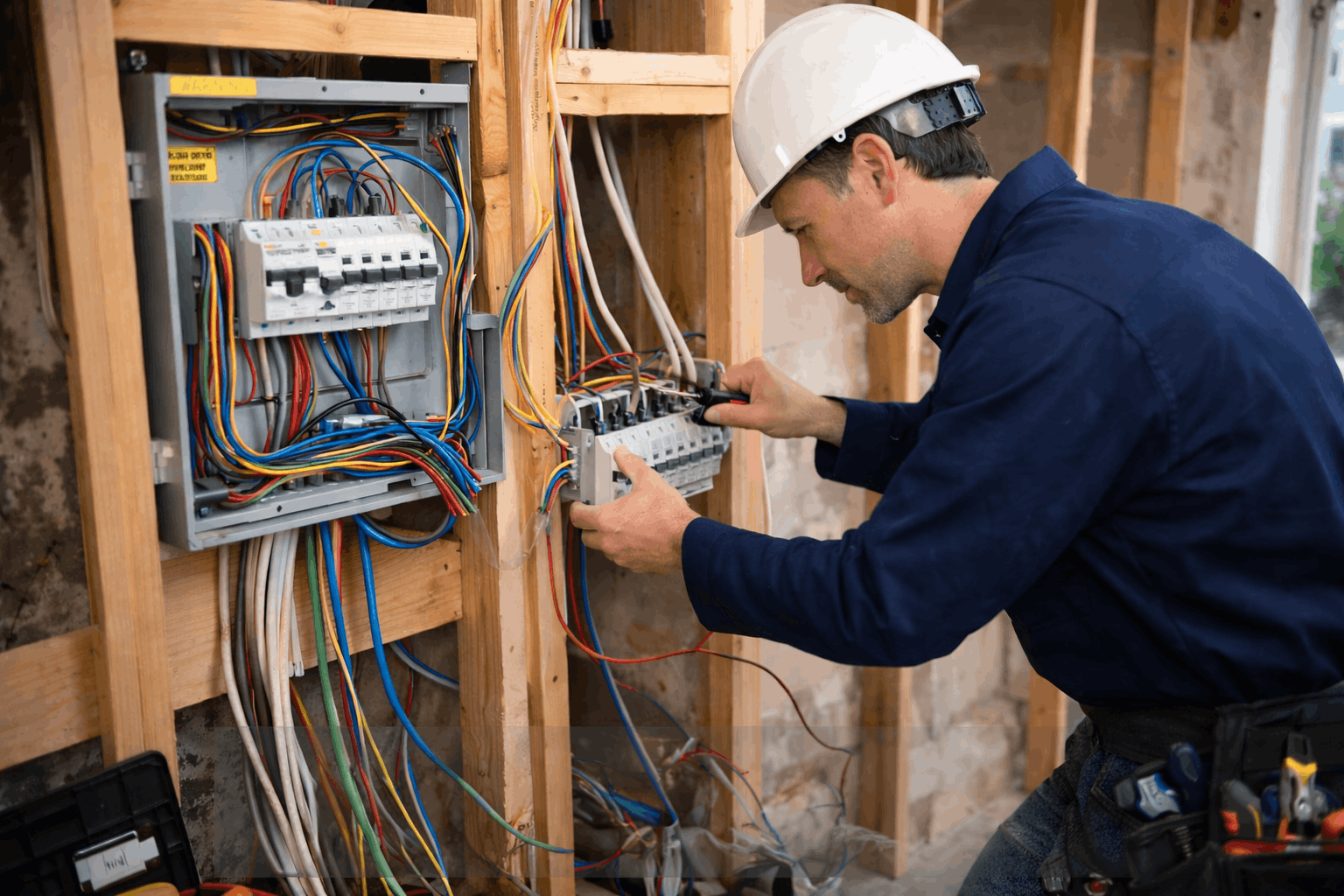
Electrical wiring is one of the most important systems in your home, yet it is often overlooked until something goes wrong. If you live in an older Sydney property, understanding the warning signs that indicate your home needs rewiring can help prevent serious safety risks. Faulty or outdated wiring can lead to power failures, damaged appliances, and even electrical fires.
In this guide, we cover the most common signs your home may need rewiring and why acting early can protect your family and the value of your home.
What Is House Rewiring?
House rewiring involves replacing old or damaged electrical cables, fittings, and sometimes upgrading the switchboard to meet current Australian standards. Over time, insulation around wires deteriorates, connections loosen, and electrical systems struggle to handle modern appliances.
Many homes built before the 1980s were not designed for today’s electrical demand. If your property still has original wiring, a full electrical rewiring may be necessary to ensure safety and compliance.
1. Frequent Circuit Breaker Trips
If your circuit breakers trip regularly, it could mean your wiring cannot handle the electrical load. While occasional tripping can occur, repeated interruptions are a warning sign.
An experienced electrician in Sydney can perform an electrical safety inspection to determine whether house rewiring or a switchboard upgrade is required.
2. Flickering or Dimming Lights
Lights that flicker or dim when appliances are turned on often indicate unstable wiring connections. This is especially common in older homes with ageing cables.
While it may seem minor, this issue can signal deeper electrical problems. In many cases, partial or full rewiring of the home restores stable power distribution and improves overall performance.
3. Burning Smell or Discoloured Power Points
A burning smell near power points or switches is a serious red flag. Discoloured faceplates, scorch marks, or warm power points should never be ignored.
These signs may indicate overheated wires behind the wall. Immediate professional assessment is essential, and house rewiring may be required to eliminate fire risks.
4. Outdated or Cloth Insulated Wiring
Older properties may still contain rubber or cloth-insulated cables. Over time, this insulation becomes brittle and cracks, exposing live wires.
If your home still has outdated wiring materials, a full wiring upgrade is strongly recommended. Modern wiring systems are safer, more durable, and compliant with current NSW regulations.
5. Lack of Power Points
Many older homes were built with very few power points. If you rely heavily on extension cords and power boards, your system may be overloaded.
Installing additional power points can help, but in some cases, rewiring the home entirely ensures the system can safely support modern appliances, air conditioning units, and kitchen equipment.
6. Buzzing Sounds from Switches or Walls
Electrical systems should operate silently. Buzzing or crackling sounds often suggest loose connections or damaged wiring.
Ignoring these noises increases the risk of short circuits or electrical faults. A licensed electrician can assess whether targeted repairs or complete house rewiring are necessary.
7. Renovations or Major Appliance Upgrades
Planning a renovation? Installing a new air conditioning system, induction cooktop, or home office setup increases electrical demand.
Before upgrading appliances, it is wise to assess whether your existing wiring can handle the load. Many Sydney homeowners combine renovation projects with a full electrical rewire to future-proof their property.
Benefits of Modern Wiring
Investing in new wiring offers several long-term advantages:
- Improved electrical safety
- Reduced risk of electrical fires and short circuits
- Increased property value
- Better energy efficiency and more stable power performance
- Compliance with Australian standards
In some cases, rewiring may also involve a switchboard upgrade, safety switches, and improved circuit distribution.
Is House Rewiring a Major Job?
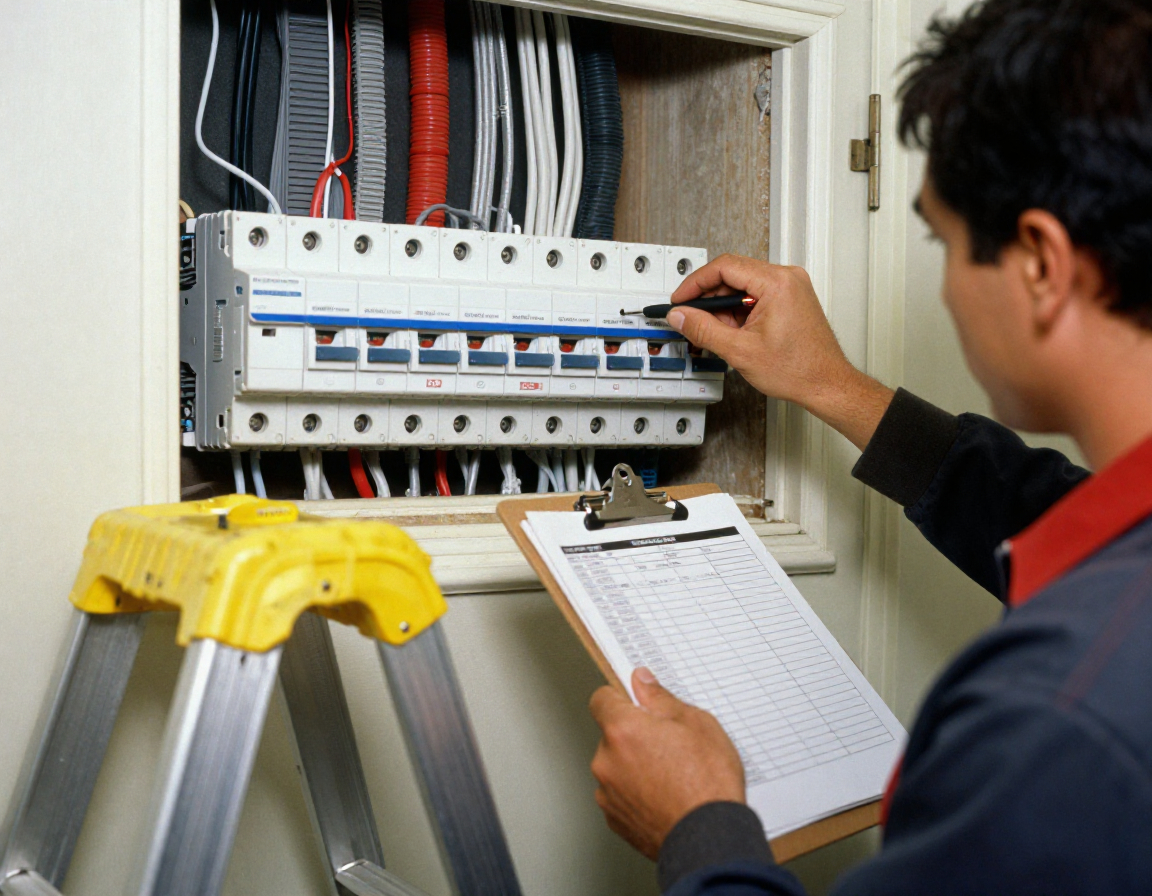
The complexity depends on the property size, wall access, and the existing condition of the wiring. While rewiring a home can sound overwhelming, experienced electricians plan the work carefully to minimise disruption.
Most homes can be rewired in stages if required. Professional assessment ensures accurate planning and transparent pricing.
How Often Should Wiring Be Replaced?
There is no strict timeframe, but homes older than 30 to 40 years should have their wiring inspected. Regular electrical safety inspections can identify risks before they become serious problems.
If you are unsure about your wiring condition, scheduling an inspection is the safest first step.