
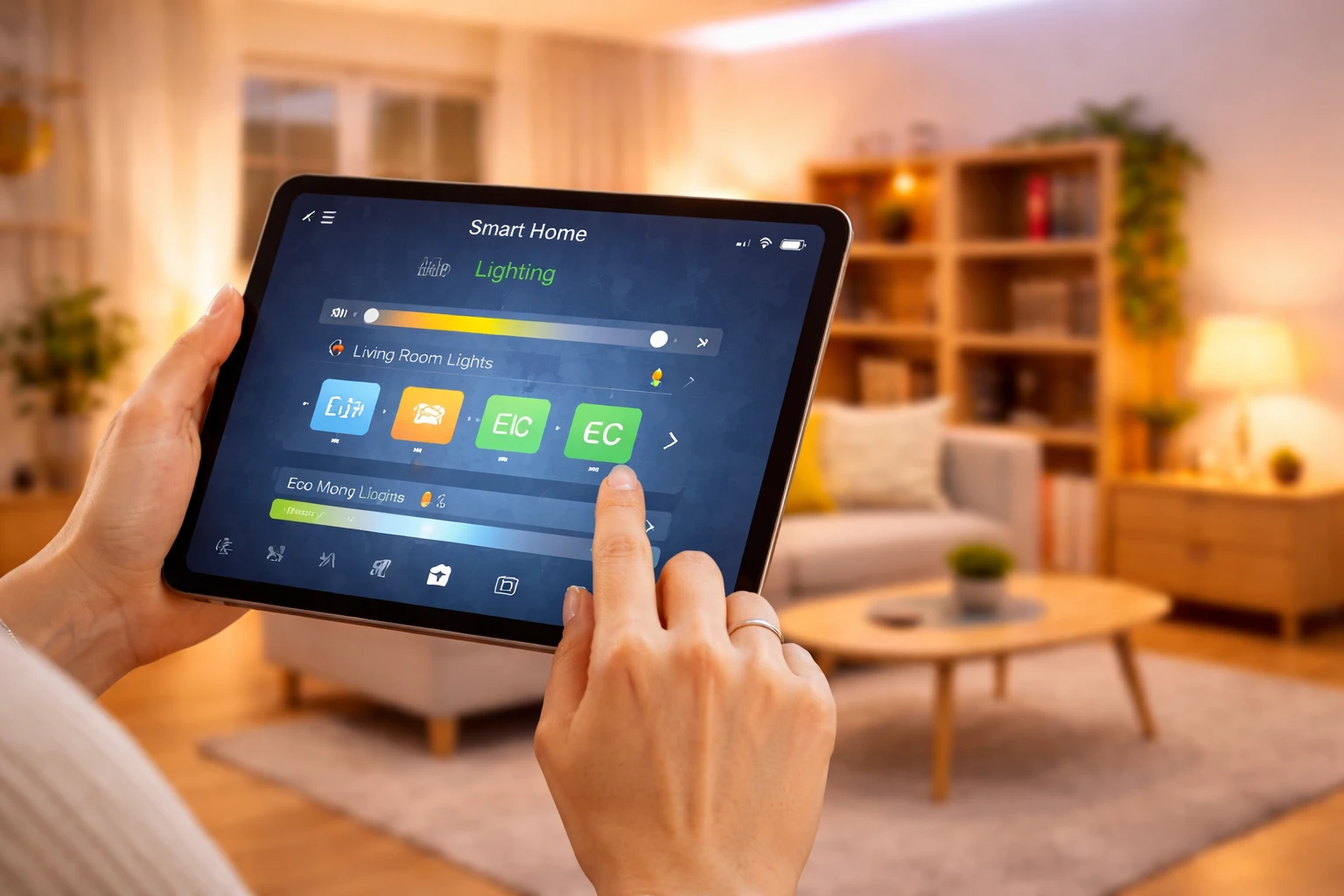
In an era where the cost of living in Australia continues to climb, Sydney homeowners are increasingly looking for innovative ways to trim their monthly expenses. While traditional advice often focuses on shorter showers or turning off lights, a more sophisticated solution is gaining traction: smart home automation.
Far from being just a luxury for tech enthusiasts, integrated smart systems are becoming a cornerstone of energy efficiency. By allowing your home to “think” for itself, you can eliminate human error and ensure that energy is only consumed exactly when and where it is needed. For residents in the Inner West, from renovated terraces in Enmore to modern builds in Rhodes, smart home automation represents a powerful tool in the fight against rising electricity tariffs.
1. Precision Lighting Control
Lighting accounts for a significant portion of a household’s energy consumption. Most of us are guilty of leaving a light on in an empty room, but smart systems remove this variable entirely.
Through LED lighting upgrades integrated with smart sensors, your lights can automatically dim or switch off when no movement is detected. Furthermore, “geofencing” technology can ensure that all lights turn off the moment the last person leaves the house, and only turn back on when you pull into the driveway. This level of automated control ensures you are never paying for illumination in an empty house.
2. Intelligent Climate Management
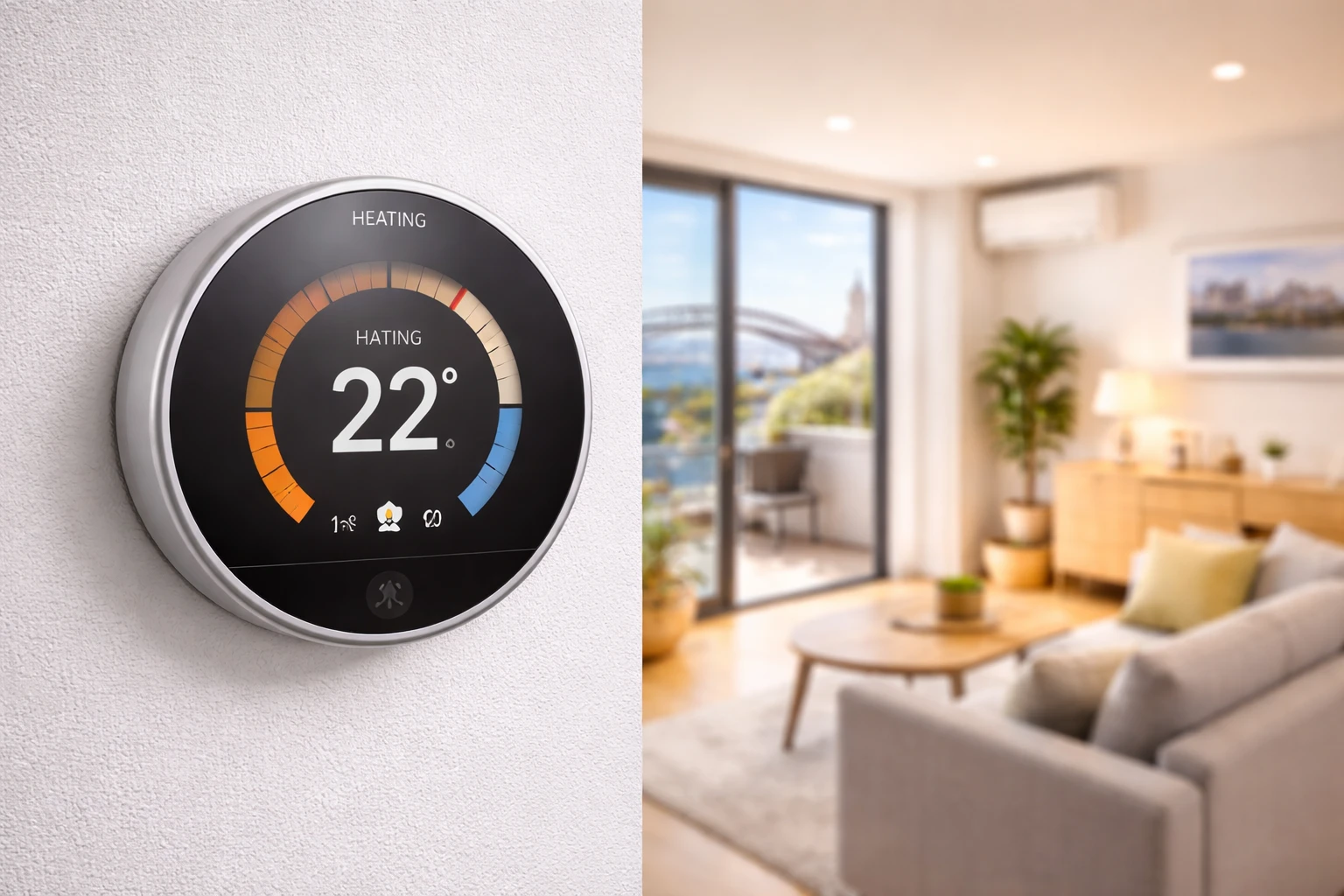
Heating and cooling are the largest energy consumers in the typical Australian home. Smart home automation allows for granular control over your HVAC systems. Smart thermostats learn your schedule and local weather patterns; they won’t blast the air conditioning at 2:00 PM if the forecast predicts a cool change at 3:00 PM.
By integrating your blinds with your smart hub, your home can even manage “passive” temperature control. In a sun-drenched North Leichhardt lounge, smart sensors can trigger the blinds to close during the peak heat of a Sydney summer day, keeping the house naturally cooler and reducing the strain on your air conditioning unit.
3. Banishing “Vampire” Power
Many appliances continue to draw power even when they are turned “off.” This “phantom load” or “vampire power” can account for up to 10% of your electricity bill. Smart plugs and professionally installed smart power points allow you to cut the power to these devices completely via a mobile app or a preset schedule.
Imagine your home office monitors, printers, and chargers automatically losing all power at 7:00 PM and waking up again at 8:00 AM. By automating the shutdown of non-essential electronics, you stop the slow leak of dollars from your bank account every night.
4. Energy Monitoring in Real-Time
One of the most significant hurdles to saving money is not knowing where it is being spent. Modern smart home automation systems provide real-time data visualisations of your energy usage.
Instead of waiting for a shock bill at the end of the quarter, you can see exactly how much power your old refrigerator or dryer is pulling. This transparency allows you to make informed decisions about appliance upgrades or fault-finding services if a particular circuit is drawing an unusual amount of current.
5. Maximising Solar Investment
For households that have already invested in solar panels, smart automation transforms how effectively that investment performs. “Load shifting” involves scheduling heavy-duty appliances like the dishwasher or pool pump to run during the middle of the day when your solar production is at its peak.
Smart hubs can monitor your solar output and automatically start these high-drain tasks when “free” energy is available, rather than drawing from the grid during expensive peak evening periods. If you haven’t yet optimised your board for this, a switchboard upgrade can provide the infrastructure needed to support these advanced energy-management systems.
Why Professional Installation Matters
While there are many “plug-and-play” smart devices available, a truly energy-efficient home requires a cohesive ecosystem. Hardwired smart switches, dedicated circuits for heavy appliances, and integrated safety systems should always be handled by a licensed professional.
Our team at Inner West Electrical Solutions ensures that your automation isn’t just impressive; it’s fully compliant with Australian Standards (AS/NZS 3000), so your smoke alarm installation and safety switches are never compromised by new integrations.