
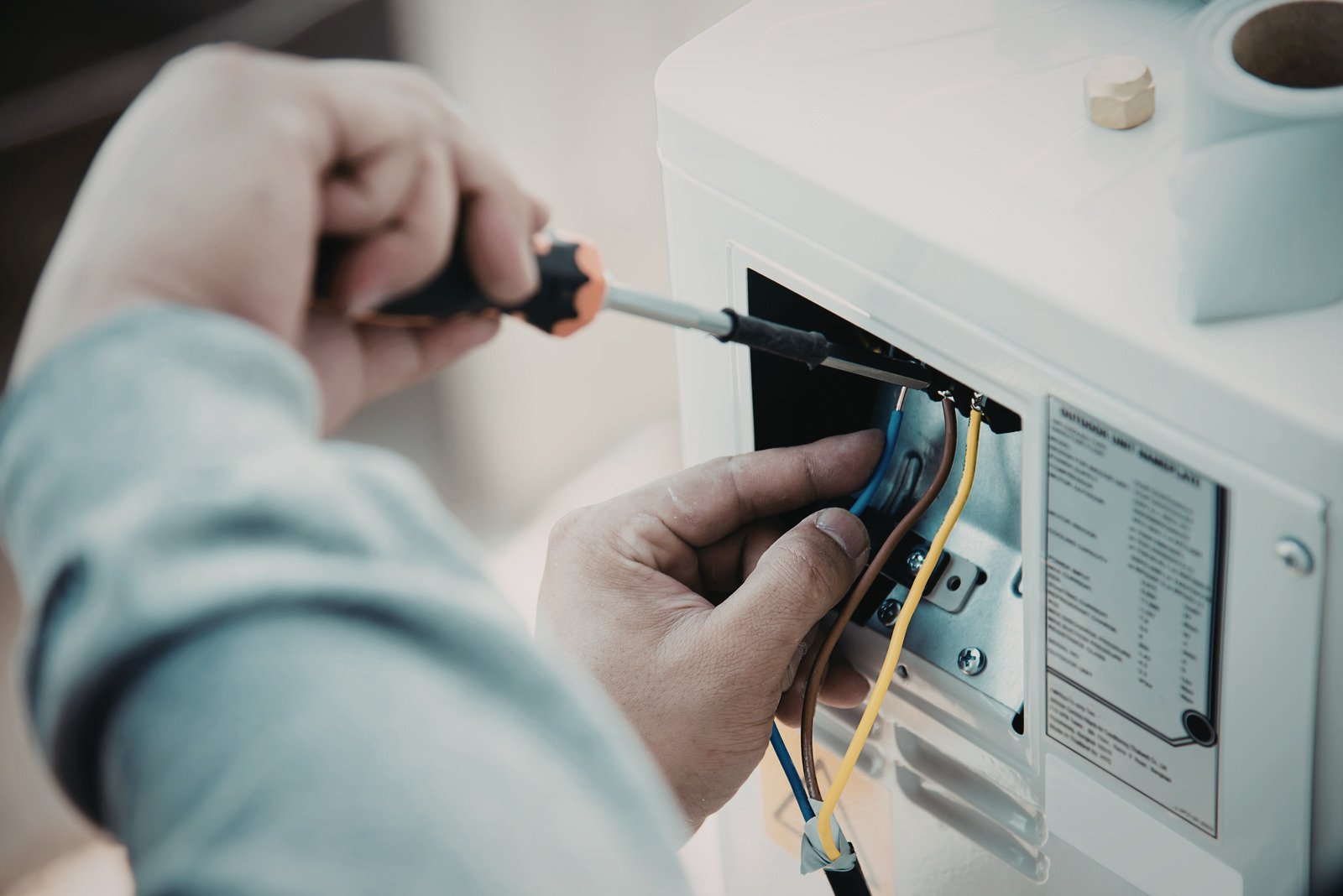
Electrical problems can be confusing for both landlords and renters. When lights stop working, a power point fails, or a circuit breaker keeps tripping, the first question many people ask is: who is responsible for fixing it?
Understanding tenant obligations and landlord responsibilities helps avoid disputes and ensures electrical issues are handled safely. Australian rental laws require properties to meet safety standards, but tenants also have responsibilities when it comes to reporting and maintaining electrical systems.
This guide covers how electrical repair responsibilities are typically divided, what tenants should do when problems arise, and when to call in a professional.
Why Electrical Responsibilities Matter in Rental Homes
Electrical systems are central to everyday life, powering appliances, lighting, heating, and modern technology. When something goes wrong, delays in fixing the problem can create inconvenience or even safety risks.
Clear rules about landlord duties and renter responsibilities help ensure problems are addressed quickly and correctly. In most situations, landlords arrange professional repairs, while tenants are expected to report faults promptly. Understanding this balance helps protect both parties and keeps the property safe.
What Landlords Are Responsible For
In most rental situations, landlords are responsible for maintaining the property’s electrical infrastructure. This includes the wiring, switchboard, and fixed electrical installations.
Common landlord responsibilities include:
- repairing faulty wiring
- replacing damaged light fittings
- arranging switchboard upgrades when the system is outdated
- fixing electrical faults throughout the property
- ensuring smoke alarms comply with safety regulations
If a major electrical problem occurs, the landlord must arrange a licensed electrician to perform repairs.
Electrical faults that affect safety should be addressed promptly, often requiring services such as electrical fault finding or lighting installation when fixtures need replacing.
What Tenants Are Responsible For
While landlords manage the structural side of electrical systems, renters also carry responsibilities to keep the property safe.
Tenant responsibilities typically include:
- reporting electrical issues promptly
- using appliances correctly
- replacing light bulbs when they fail
- avoiding damage to electrical fittings
- not performing DIY electrical work
Tenants should notify the landlord or property manager as soon as a problem is noticed. Reporting issues early allows repairs to be arranged before they become more serious.
Ignoring electrical problems can lead to further damage or create unnecessary safety hazards.
Common Electrical Issues in Rental Properties
Some electrical problems in rental homes are minor and straightforward to fix, while others will need professional attention.
Examples include:
- Power point failures
- Damaged outlets may require professional power point installation or replacement.
- Lighting problems
- Faulty switches or wiring issues may require a professional inspection as part of a lighting installation service.
- Circuit breaker trips
- Frequent tripping may indicate overloaded circuits or appliance faults.
- Smoke alarm problems
Australian regulations require working smoke alarms in rental properties, and landlords must ensure they are properly installed.
Identifying the cause of the issue helps determine whether landlord responsibilities or tenant obligations apply.
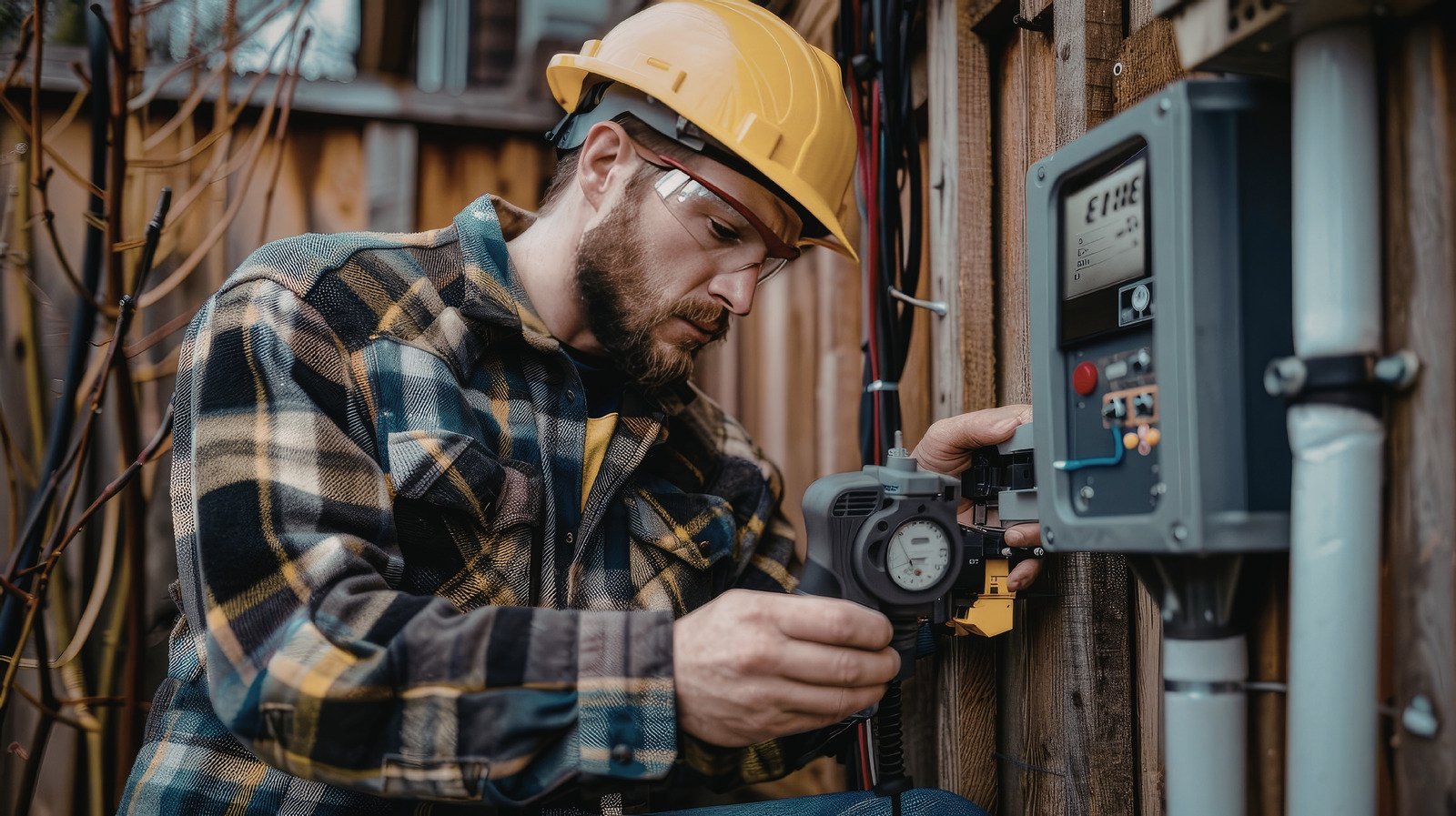
What Tenants Should Do When an Electrical Problem Occurs
When an electrical problem arises in a rental property, the first step is to report it to the landlord or property manager.
Providing clear information can help speed up repairs. Tenants should include details such as:
- When the issue started
- Which appliances were being used
- Whether the circuit breaker tripped
- Any unusual sounds or smells
This information helps electricians diagnose the problem during electrical fault-finding inspections. Tenants should never attempt to repair wiring or electrical components themselves. In Australia, unlicensed electrical work is both illegal and dangerous.
When Electrical Repairs Are Urgent
Some electrical issues require immediate attention due to the safety risks involved.
Urgent situations include:
- burning smells from outlets
- exposed wiring
- frequent electrical shocks
- smoke alarm failure
- complete power loss
In these cases, tenants should contact the landlord or property manager immediately.
Landlords are generally required to arrange emergency repairs through a licensed electrician to restore safe working conditions.
Electrical Safety for Tenants
Even though landlords handle major electrical repairs, tenants can still take steps to maintain safety in the home.
Simple precautions include:
- avoiding overloaded power boards
- unplugging damaged appliances
- testing smoke alarms regularly
- reporting faulty switches or outlets quickly
These simple steps support the overall safety of the property and help tenants meet their obligations as renters.
Electrical Upgrades in Rental Homes
Many landlords upgrade electrical systems to improve safety and property value.
Common upgrades include:
- switchboard upgrades with safety switches
- additional power point installation
- LED lighting upgrades
- modern smoke alarm installation
These improvements reduce the likelihood of electrical problems and create a safer environment for tenants.
Communication Prevents Disputes
Most disagreements between landlords and renters come down to unclear communication. When tenants report electrical issues promptly and landlords arrange repairs without delay, problems are generally resolved without dispute.
When both parties understand their responsibilities, it is much easier to maintain a positive and respectful rental relationship.
Frequently Asked Questions
Who pays for electrical repairs in a rental property?
Landlords usually cover repairs related to wiring, switchboards, and permanent electrical installations.
Are tenants responsible for replacing light bulbs?
In many rental agreements, tenants are responsible for replacing standard light bulbs.
What should tenants do if a power point stops working?
Report the issue to your landlord or property manager. They will arrange for a licensed electrician to inspect and repair the outlet.
Can tenants install electrical devices themselves?
No. Electrical work in Australia must be completed by licensed electricians.
What happens if an appliance causes electrical damage?
If a tenant’s appliance causes the problem, they may be responsible for repair costs.
How quickly should electrical issues be fixed?
Urgent problems should be addressed immediately, while minor issues should be repaired within a reasonable timeframe.
Need Professional Electrical Repairs?
Electrical issues in rental properties should always be handled safely and by a qualified professional. Whether you are a landlord organising repairs or a tenant reporting a fault, a licensed electrician ensures the work is completed correctly. Inner West Electrical Solutions provides reliable electrical repairs, inspections, lighting upgrades, and switchboard upgrades throughout Sydney’s Inner West.
Call 0414 826 555 to arrange a licensed electrician and keep your rental property safe and compliant.